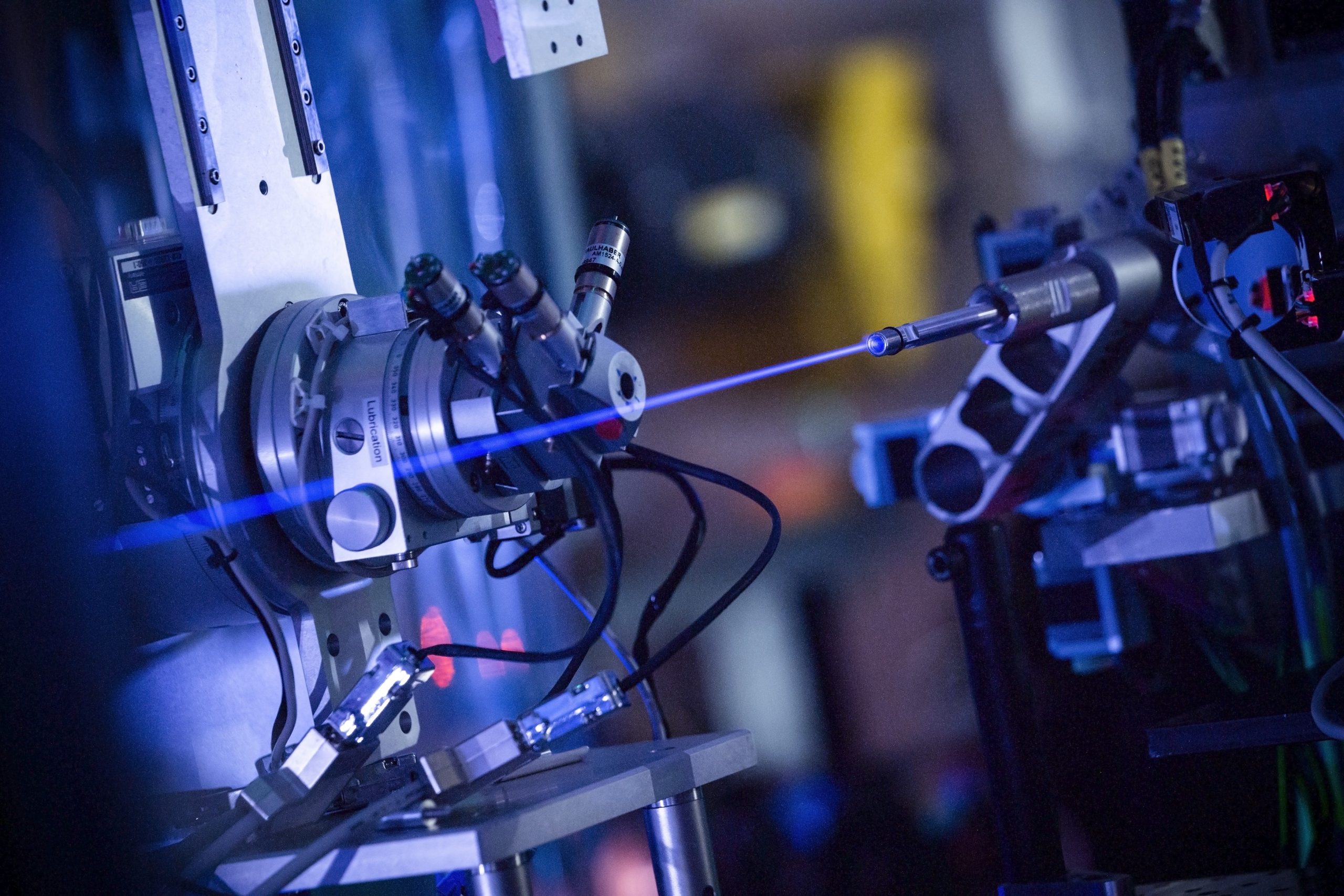
How European XFEL uses X-ray light to make the invisible visible
X-ray light does not only enable us to look at our bones, it also helps scientists to analyse tiny molecules that make up all living things.



Science in School News
To mark Science in School ’s 20th anniversary, we are launching a student writing competition inviting young people to explore the topic of sustainable and resilient tourism. All details below are also available in our downloadable and printable flyer. What is it about? 2027 is set to be the…
Read more
X-ray light does not only enable us to look at our bones, it also helps scientists to analyse tiny molecules that make up all living things.
To mark Science in School’s 20th anniversary, we are launching a student writing competition inviting young people to explore the topic of sustainable and resilient tourism.
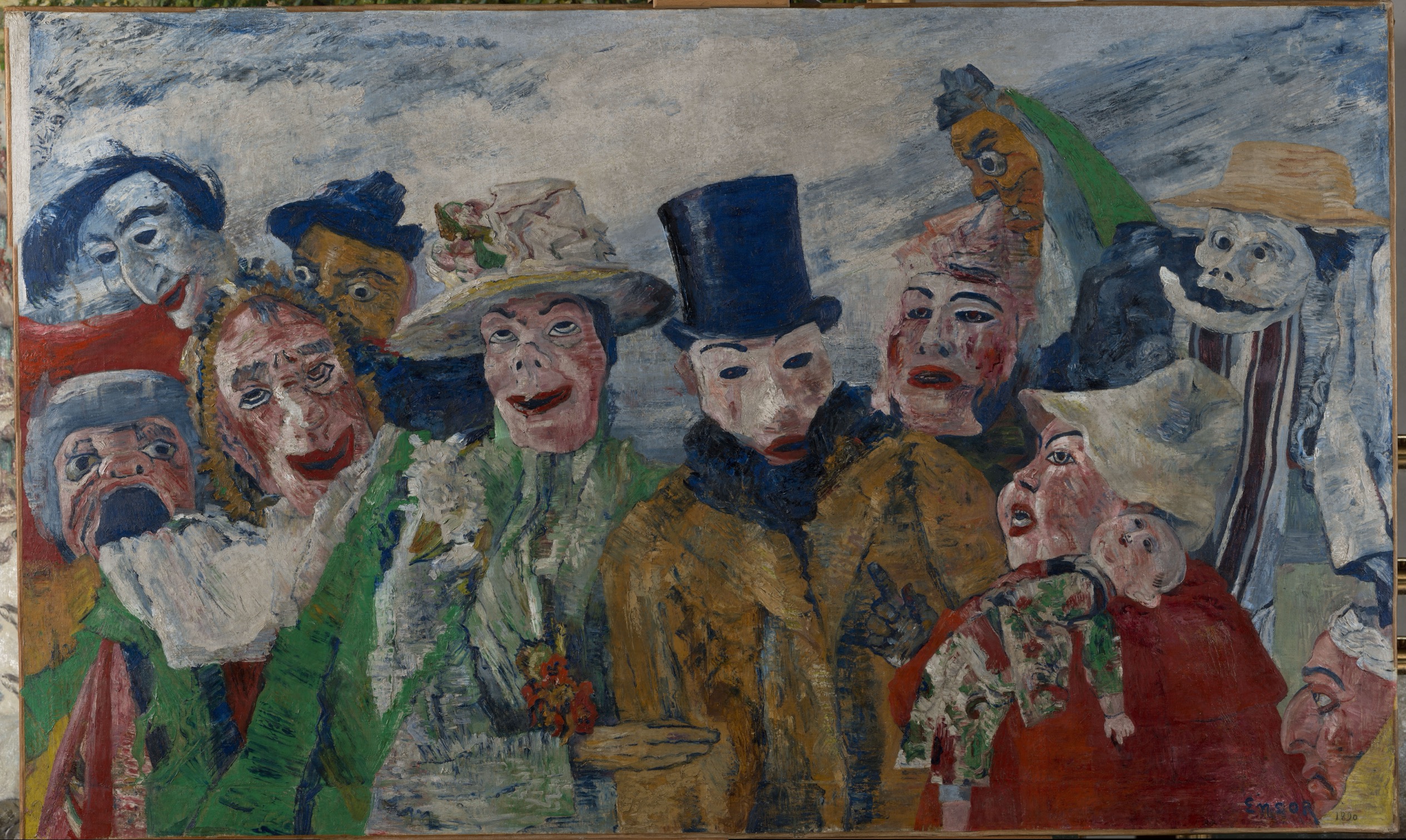
What makes emerald green fade in famous paintings? Scientists at ESRF study how colours fade.
We cover a wide range of scientific topics and many articles are additionally available as translations in different European languages.

Explore cutting-edge science and real-world applications.
Discover projects, people, and resources.

Find ideas and teaching materials for classroom activities.
Articles from previous issues
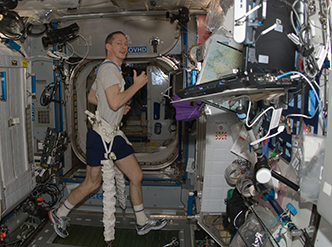
Clues to the history of the Earth, the Milky Way and the Universe are hidden on the lunar…


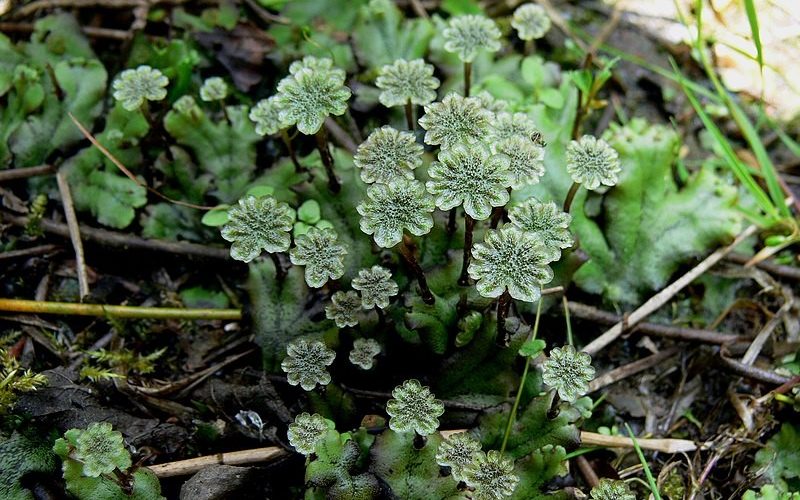
Plants today are extremely diverse, abundant, and flamboyant. However, the first land plants, which initiated a great change in the flora and fauna on planet Earth, were very different.

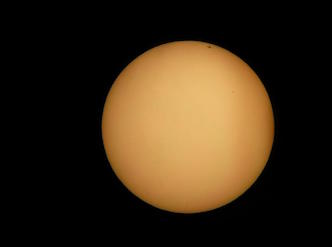
The month of May brings with it two different planetary wonders, allowing us to recreate calculations first made 300 years…
Discover free events and activities offered by the EIROforum members and other non-profit groups.
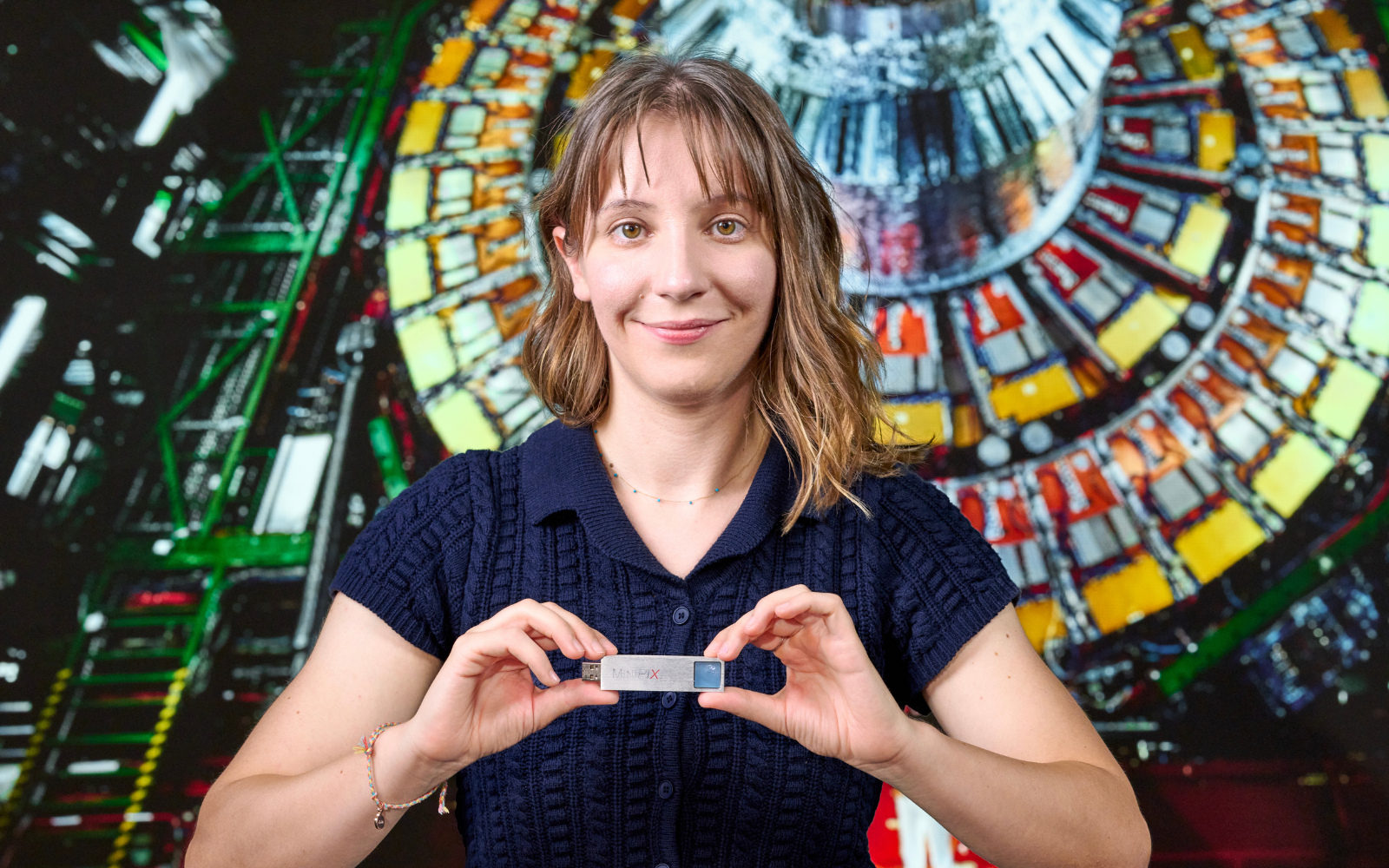
The call for proposals 2026 for the CERN TIMEPIX@school programme is now open! TIMEPIX@school is a new CERN-led initiative supported through the CERN & Society Foundation that brings Timepix-based detectors, developed within the CERN Medipix2 Collaboration, into classrooms worldwide. Launched…
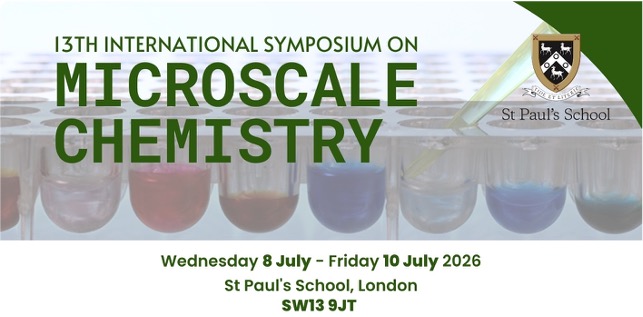
July 8th- 10th, St Pauls School, London I hope you have enjoyed the microscale chemistry articles that Adrian Allan and I presented in issues, 53, 54,57, 60, 65, and 69. If you are teaching chemistry do have a look at them. Other authors have also submitted ideas in issues 16 and 39. It is a…
Do you have an engaging classroom activity to share with other teachers? Is there an interesting scientific topic that you could explain to STEM teachers and their students? We welcome submissions from teachers and scientists.
Would you like to help ensure that our content is interesting, inspiring and useful to STEM teachers? Consider joining the Science in School teacher reviewer panel. There is no obligation; just send us an email to express your interest.
If you find an article interesting or useful, perhaps you'd consider translating it into your native language? This really helps to increase the reach of our content so that as many teachers as possible can benefit from it.